
From Idea to Reality: Building a Business Around a 450-Year-Old Art Form
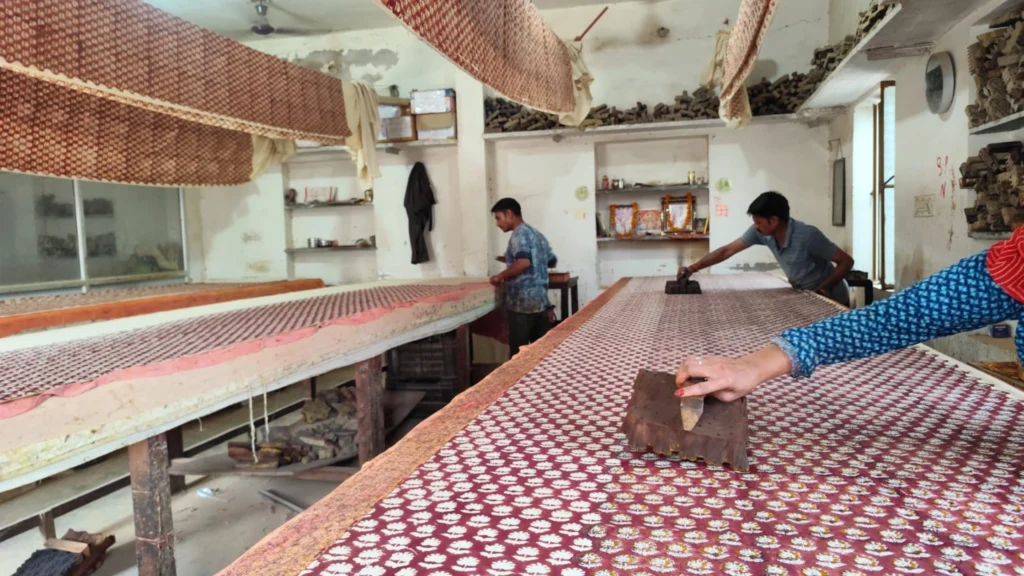
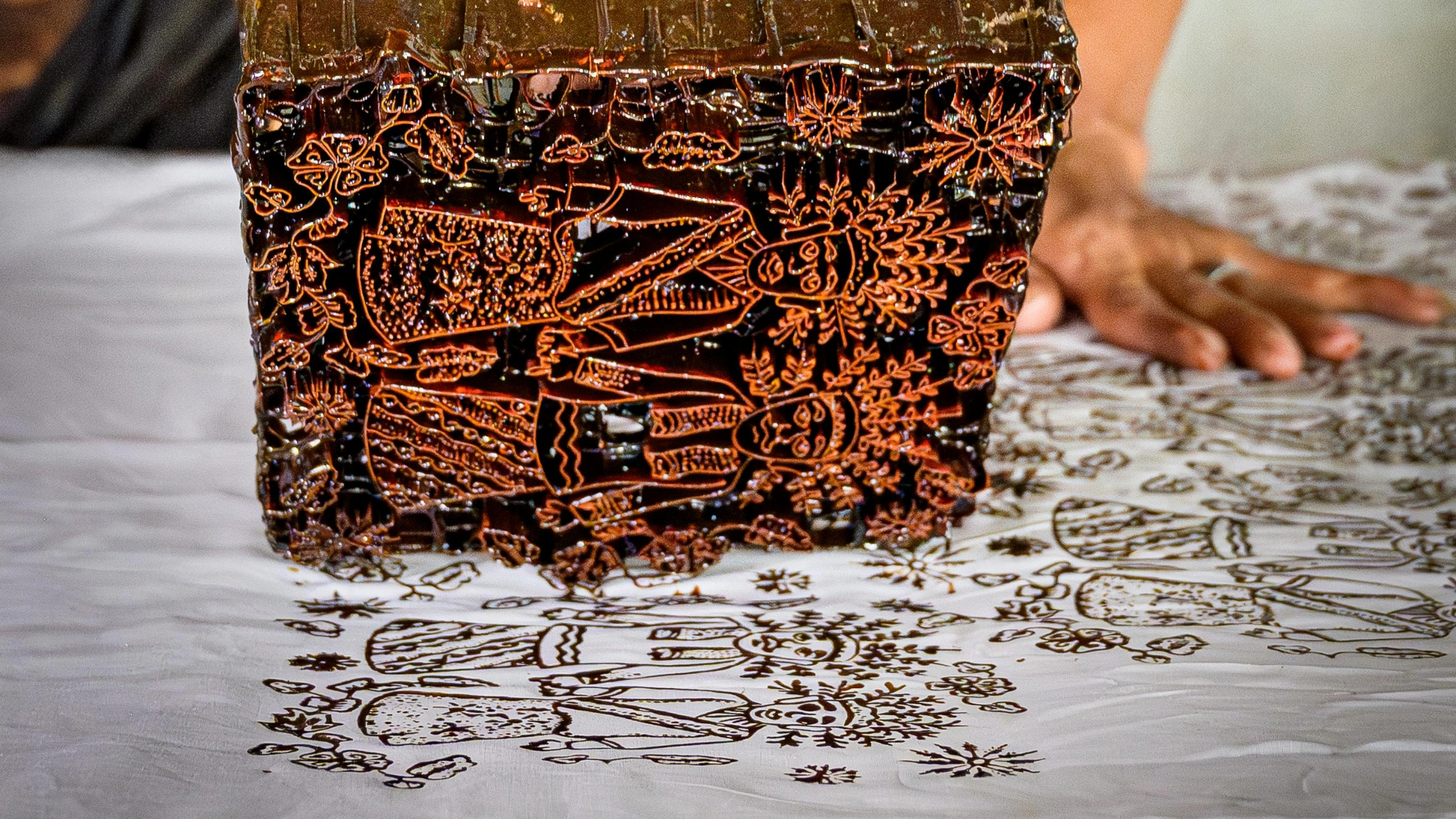
When I first stood in the artisan workshops of Bagru, watching hands that held generations of knowledge stamp intricate wooden blocks onto raw cotton, I knew I had found something magical.
The idea for SA Fab was born in that moment: to bring this 450-year-old heritage craft to the modern world. It is a highly romantic, beautiful idea.
But as an entrepreneur, I quickly realized that bridging the gap between ancient, slow craft and the ruthless speed of modern e-commerce is incredibly difficult. Commercializing a heritage art form without losing its soul requires a delicate balancing act.
If you are building a slow fashion brand around traditional crafts, handmade products, or slow fashion, here is how we turned the idea of SA Fab into a scaling reality—and the roadblocks we had to overcome to get there.
1. Clashing Timelines: Nature vs. “Next-Day Delivery”
Modern e-commerce has trained consumers to expect lightning-fast production and next-day delivery. Bagru handblock printing, however, is entirely dependent on nature. The natural dyes—indigo, madder, and kashish—need time to set. The fabric relies on the harsh Rajasthan sun to dry and bake the colors into the cotton. If it rains, production stops.
The Reality: We couldn’t force a 450-year-old art form into a fast-fashion supply chain. The Solution: We chose radical transparency. Instead of hiding our production times, we made them our biggest selling point. We educated our customers on why the process takes time. We shifted the narrative from “delayed shipping” to “worth the wait.” When you teach your audience the value of slow fashion, they stop expecting Amazon-level speed and start appreciating the art.
2. Turning “Flaws” into Features
In traditional fashion manufacturing, a machine produces thousands of garments that look exactly the same. Carbon-copy perfection is the standard. Handblock printing is the exact opposite. When a human hand places a wooden block on fabric thousands of times, the pressure changes. The dye bleeds slightly. No two meters of fabric are identical.
The Reality: Early on, some customers expected factory-level uniformity. The Solution: We had to re-educate the market. We built our branding around the concept that human variation is a feature, not a flaw. A slight misalignment in the print is the signature of the artisan; it is proof that your garment was made by a human being, not a machine. By owning this narrative, we turned what could have been a “quality control issue” into our unique selling proposition (USP).
3. Modernizing the Product, Not the Process
One of the biggest mistakes brands make when working with heritage crafts is trying to “modernize” the artisans’ workflow, which usually just means forcing them into factory-style production.
The Reality: To scale to 200+ artisan families, we had to modernize our side of the business, not theirs. The Solution: We let the artisans do what they have done perfectly for four centuries. Where we innovated was in the product finishing and digital distribution. We sourced superior, pre-washed premium cotton so the garments wouldn’t shrink. We elevated the stitching and modern silhouettes to fit contemporary lifestyles. We built a robust Shopify store and mastered digital marketing. We wrapped a traditional core in a highly efficient, modern business shell.
4. Scaling Without Exploitation
The sad truth of the Indian textile industry is that middlemen often squeeze artisans for margins, leaving the actual creators in poverty while the brands take the profits.
When you build a business around a heritage craft, your artisans are not your vendors—they are your partners. At SA Fab, we realized early on that if the artisans don’t grow, the brand doesn’t grow. Scaling from a small idea to serving over 10,000 customers was only possible because we bypassed middlemen, paid fair wages, and treated our 200+ artisan families with the respect their generational knowledge deserves.
The Takeaway
Building a business around a 450-year-old art form doesn’t mean you have to abandon the past, nor does it mean you have to reject the future. It is about using modern tools—like e-commerce, Instagram, and global logistics—to give a beautiful, ancient tradition the global stage it deserves.
If you are building a slow fashion brand or a purpose-driven brand, protect your core craft at all costs. The market is saturated with brands selling clothes. But a brand that sells a story, preserves a heritage, and honors its creators? That is how you build a legacy.
Read my article: 5 things I wish I knew before starting a fashion brand